Behind the Scenes - The Creative Process as Witnessed by the Animals
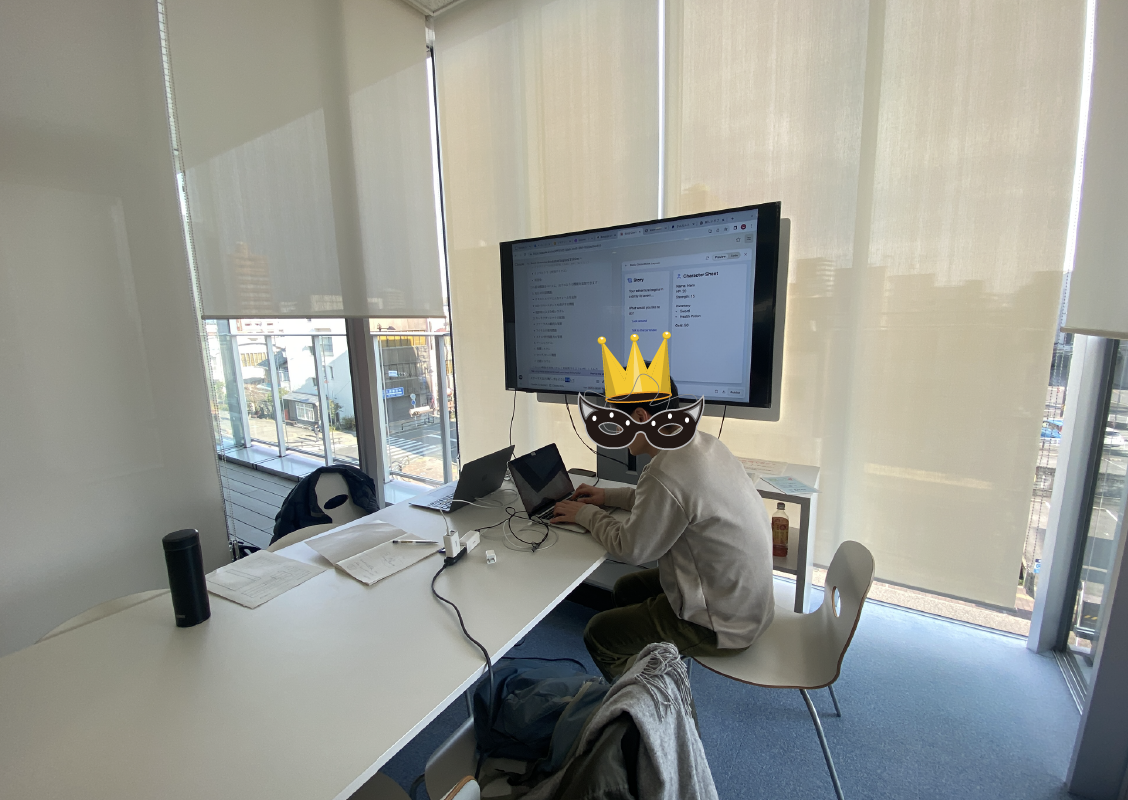
Trial and error in the early production stages
Dab-Dab: "By the way, we were watching how this book was made. Didn't the creator originally try to make something completely different?"
Polynesia: "That's right! At first, they tried to make something called a 'real-time RPG game.' Where AI would be the game master, and you'd defeat monsters and gain experience..."
Gub-Gub: "Defeating monsters sounds scary! That wouldn't suit me."
Chee-Chee: "But it didn't work out in the end. AI in 2025 was still poor at constructing stories."
Too-Too: "Interesting. So technology had its limitations."
Polynesia: "That's when the creator thought: 'Maybe AI games would be more interesting if we used existing masterpiece stories.' That's when they remembered our tale."
Dab-Dab: "Then they thought of the gamebook format. The idea of making it a paper book was interesting too."
Trial and Error in Story Creation
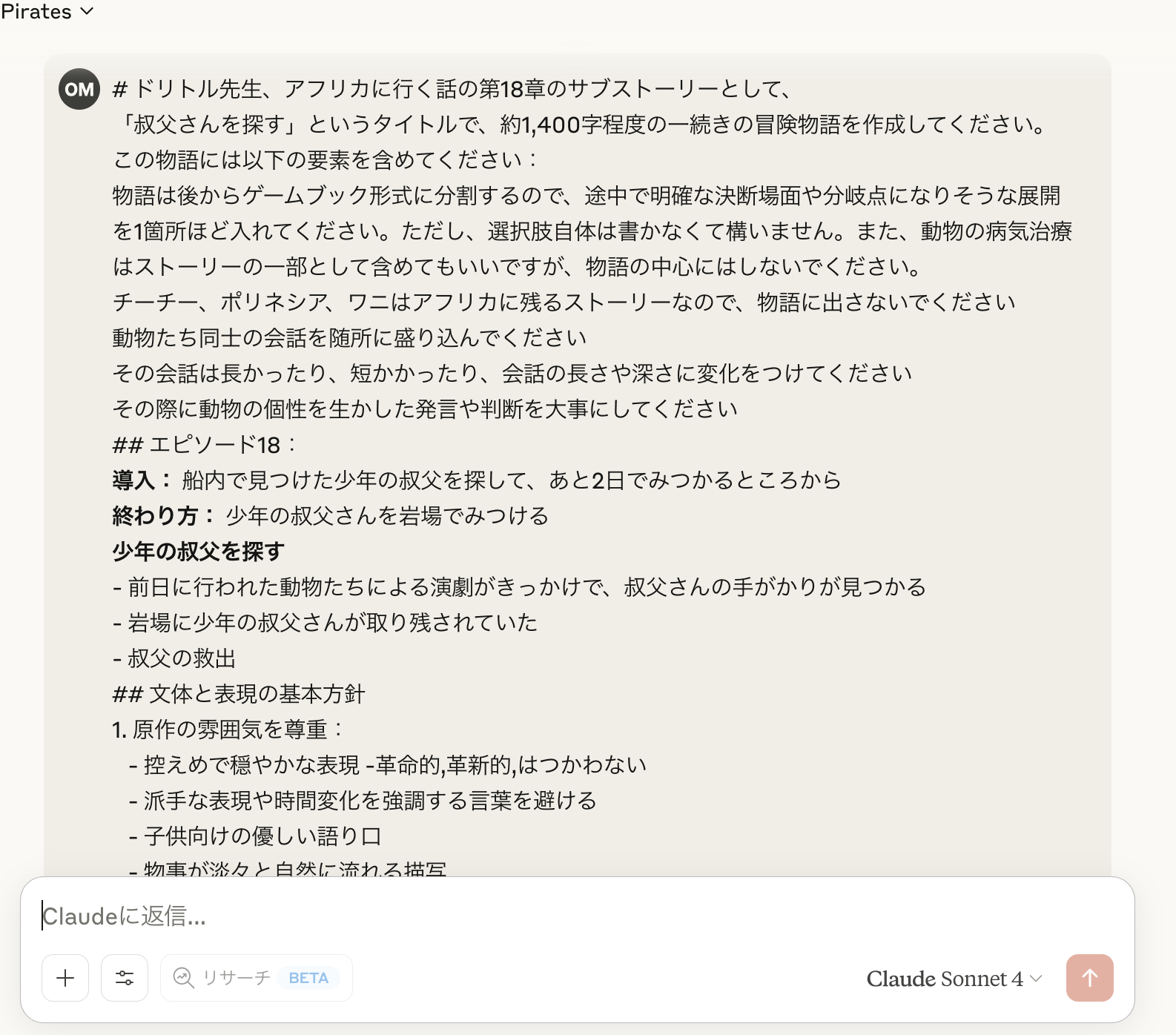
Repeated revision work in story creation
Chee-Chee: "The initial story creation was tough, wasn't it? We were worried too."
Polynesia: "That's right! At first, they tried to follow the original and have AI automatically create story branches and automatically generate content for each chapter."
Dab-Dab: "But it failed as expected."
Gub-Gub: "What was the problem?"
Polynesia: "The AI tried to make each chapter a 'good story.' All 69 chapters would each be concluded with tales of love and friendship. It was like..."
Too-Too: "Like 'rich garlic, chives, ginger, extra-everything ramen' - overly intense seasoning. A very understandable analogy."
Chee-Chee: "Even when they asked 'don't make every chapter a good story,' it didn't get through at all. They say that nuance still remains a bit in some of the earlier chapter endings."
Dab-Dab: "I hope readers will laugh and forgive if they find such passages."
The Innovation of Dividing Long Stories
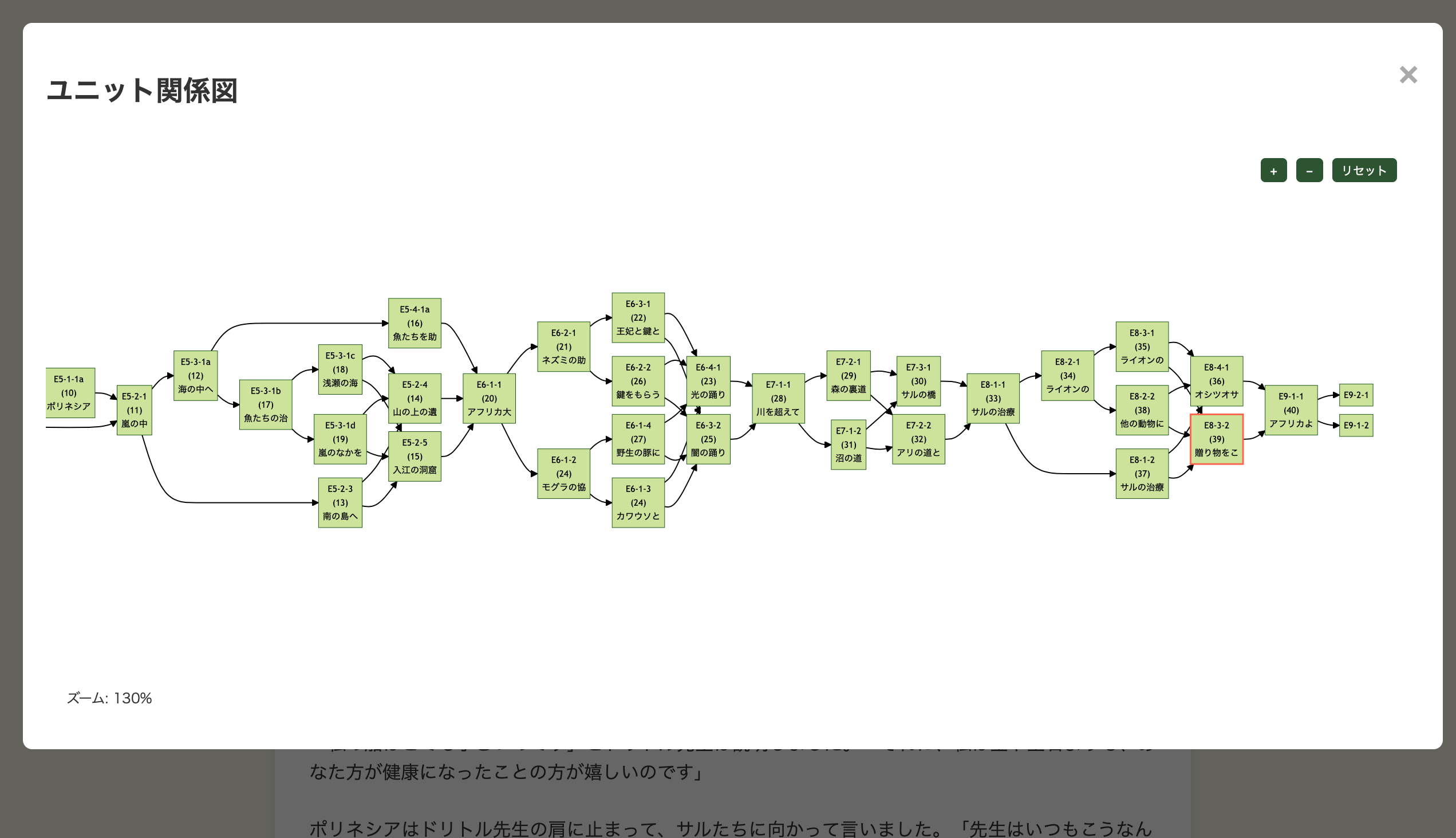
Story division and consistency checking work
Polynesia: "So they changed direction. They had AI create somewhat long stories first - about 8,000 words - then divided them into four parts to create branches."
Chee-Chee: "That worked well!"
Too-Too: "But new problems arose, didn't they?"
Polynesia: "Sharp as always, Too-Too. Since AI only remembers the current conversation, humans had to check the consistency between chapters created first and those created later."
Dab-Dab: "Contradictions even occurred within the same chapter. Like having 'the ship proceeds through the middle of the sea' followed a few lines later by 'the ship departed from port.'"
Gub-Gub: "That's definitely strange. Where is the ship?"
Chee-Chee: "Fixing all those errors was tough, so the creator says they hope readers will laugh and forgive if they find any."
Story Branches and Endings
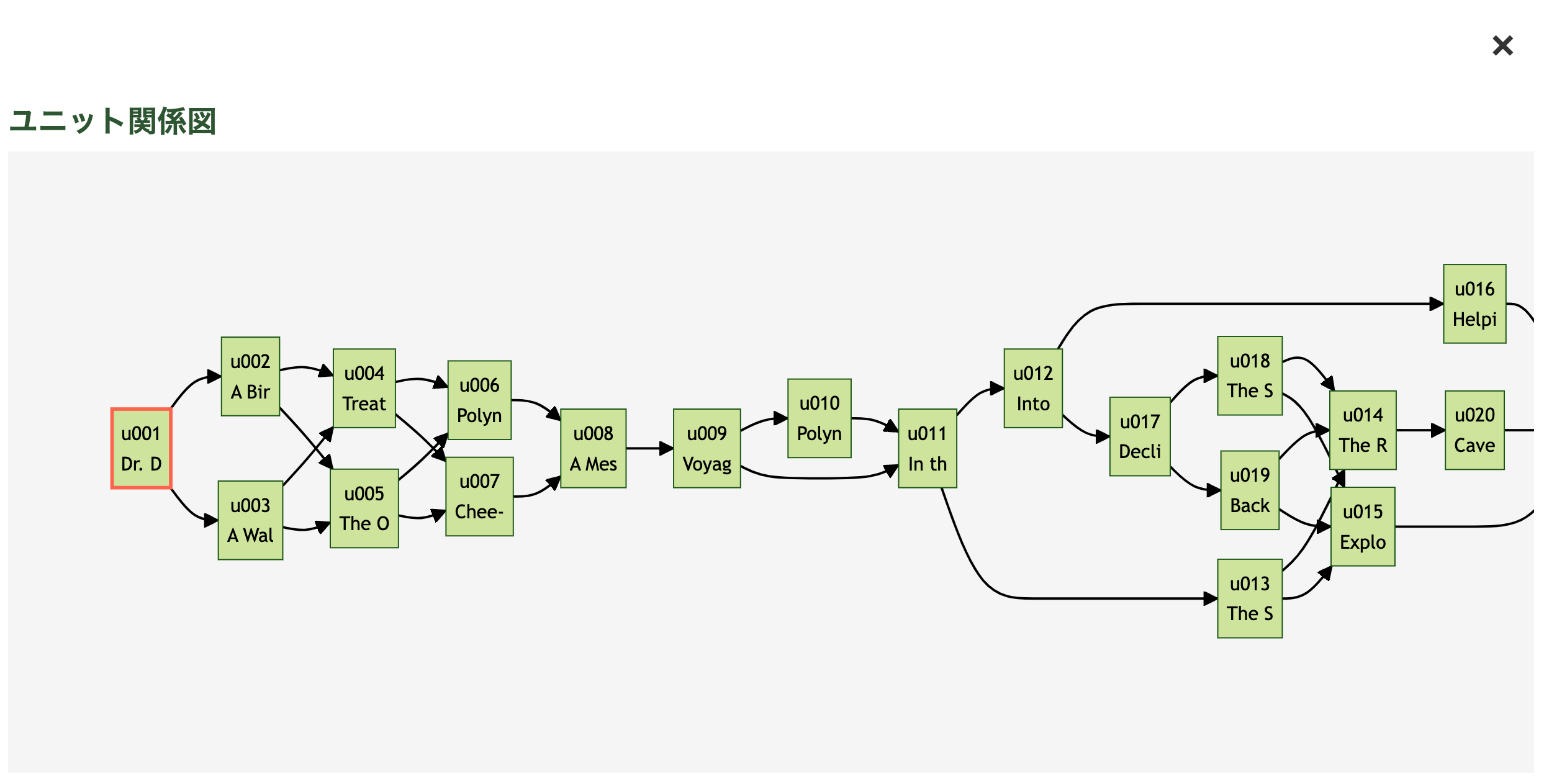
Discussions about ending design
Dab-Dab: "There was quite a bit of debate about how to handle the final endings."
Polynesia: "That's right. Whether to have multiple endings or converge to one. There was even consideration of having bad endings."
Gub-Gub: "Bad endings? Where we become unhappy? I don't like that!"
Chee-Chee: "But in the end, since this book is 'for people who love Dr. Dolittle's stories to immerse themselves more in that world,' they prioritized not making anyone feel bad."
Too-Too: "A wise decision. So only the middle processes can be experienced in multiple ways, with everyone getting a happy ending in the end."
Dab-Dab: "It might lack narrative breadth, but multiple endings would be too complicated to wrap up properly."
Polynesia: "The mechanism where actions in early chapters affect later chapters, like in proper gamebooks, is a gimmick they'd like to try if there's a sequel."
Struggles with Illustration Creation
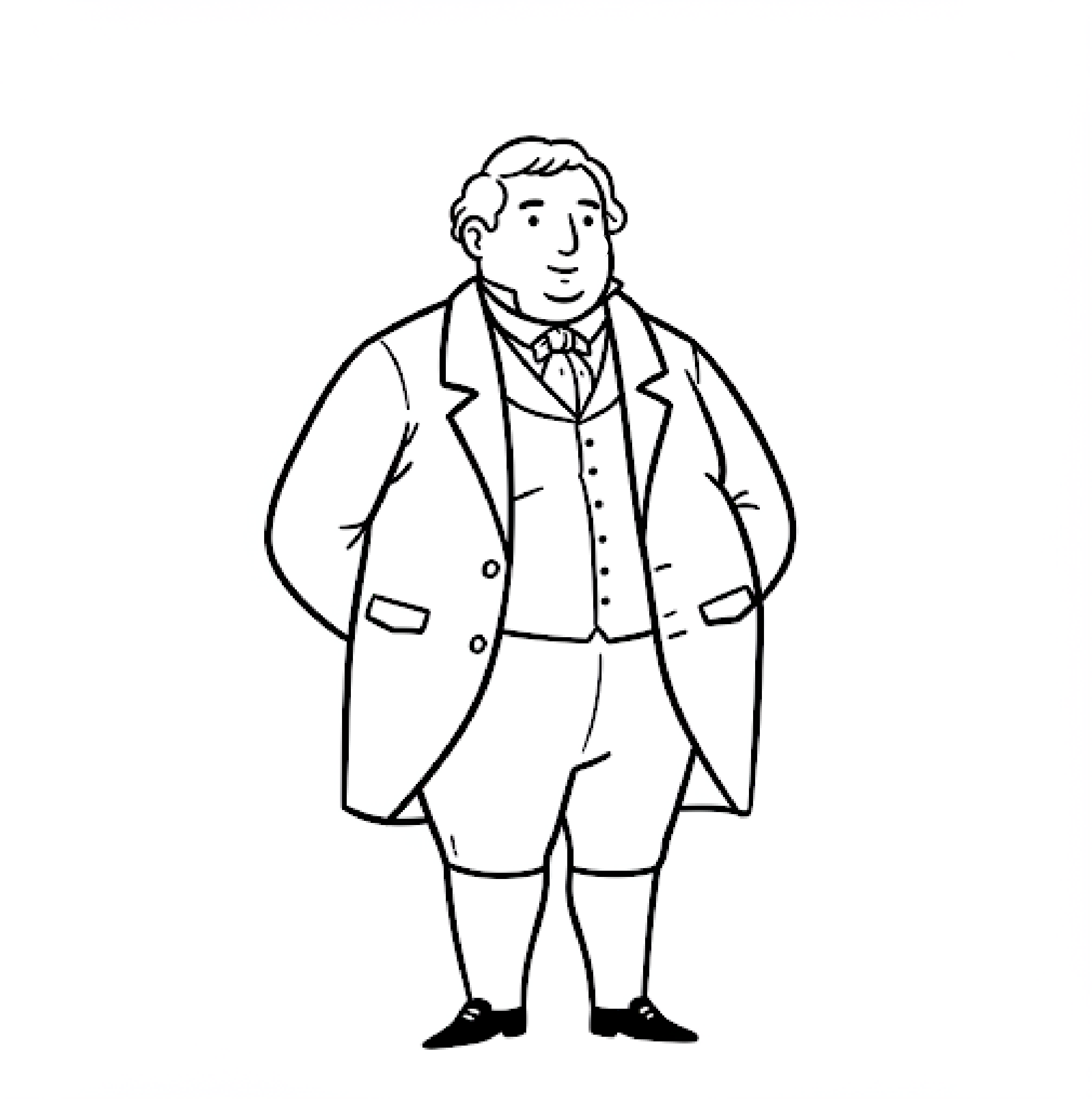
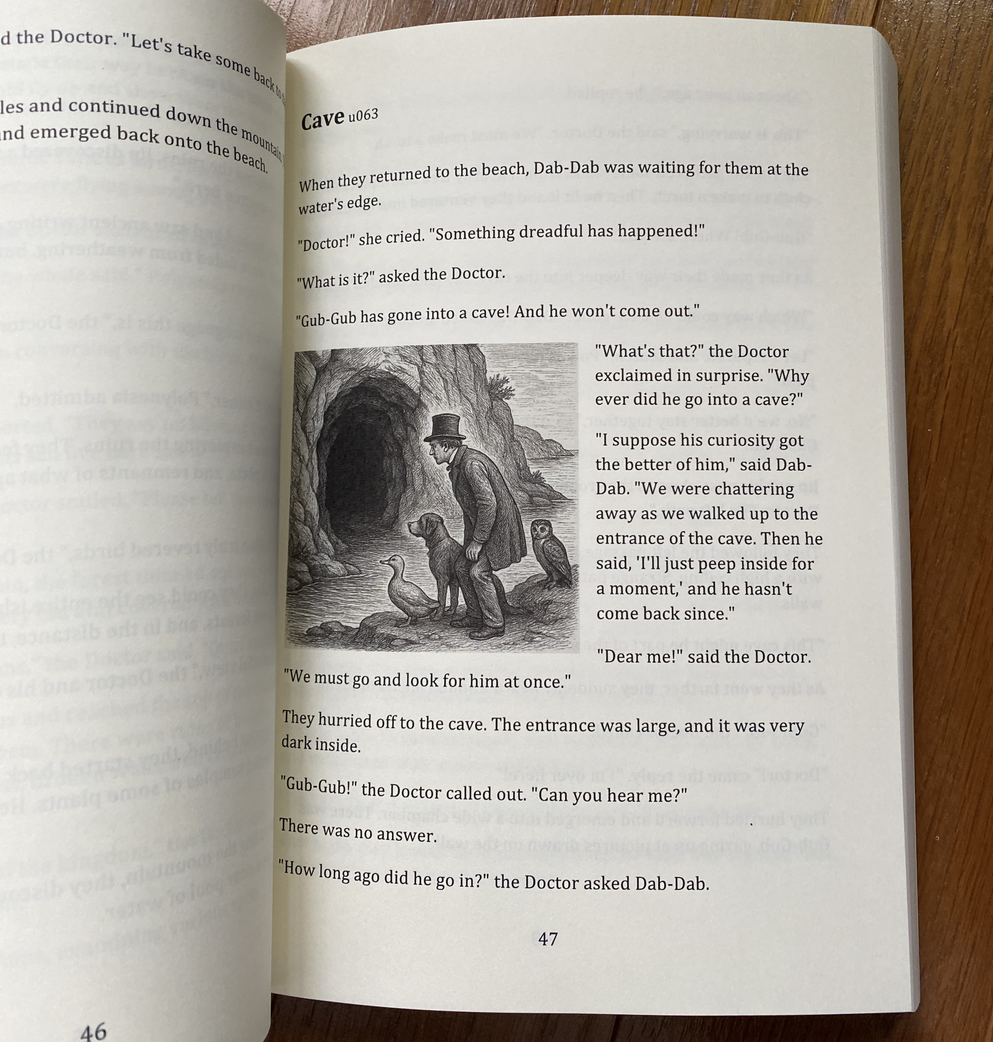
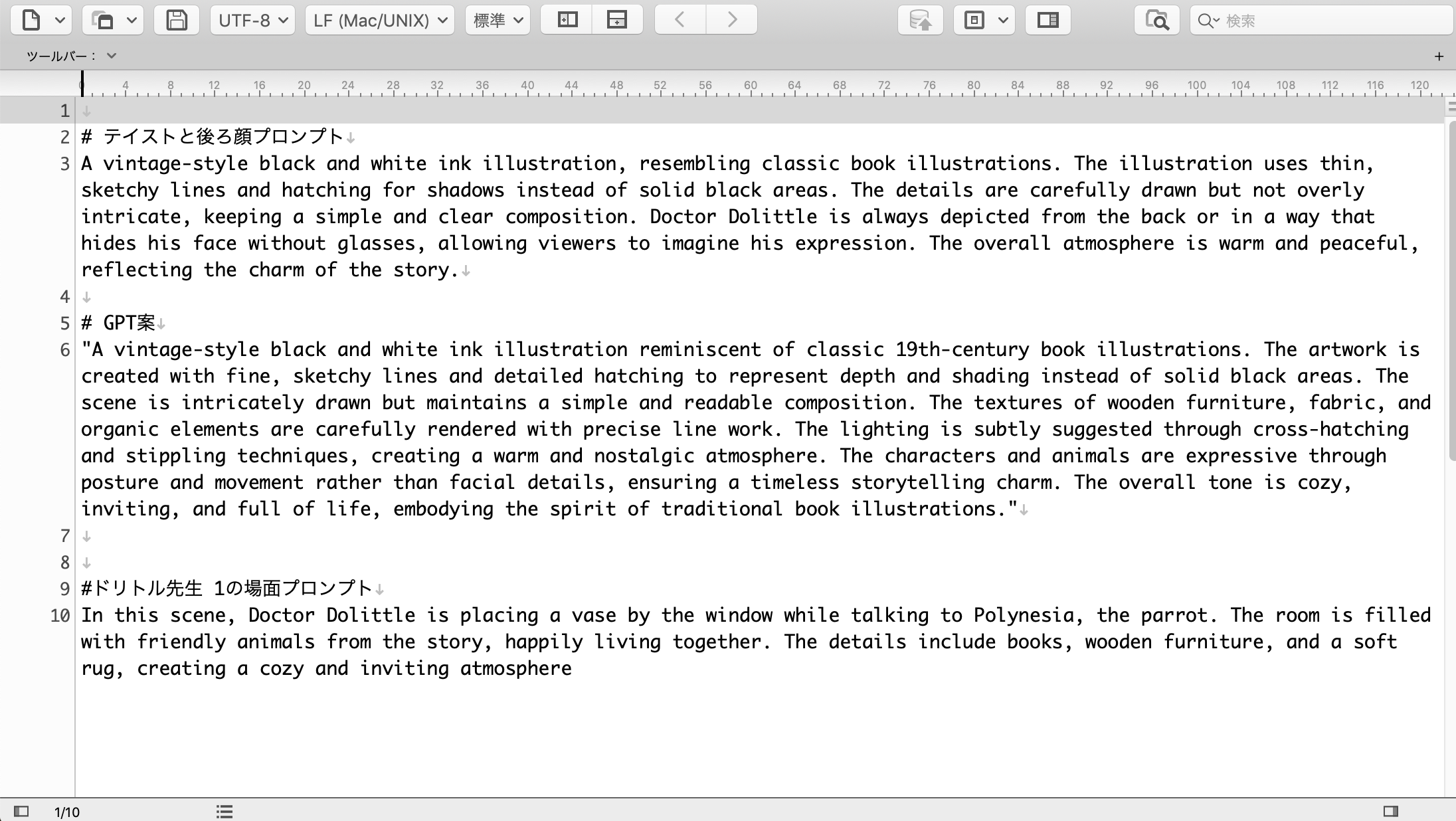
Traces of trial and error with AI image generation
Chee-Chee: "The illustration work after the text was done was tough too."
Polynesia: "The prompts were really difficult. Instructions like '1800s English countryside port town, portly gentleman with bland face, clean lines in ○○ style' would go on for about 20 lines."
Dab-Dab: "But it didn't result in consistent pictures."
Too-Too: "There was also a major AI version update midway through, which completely changed the art style."
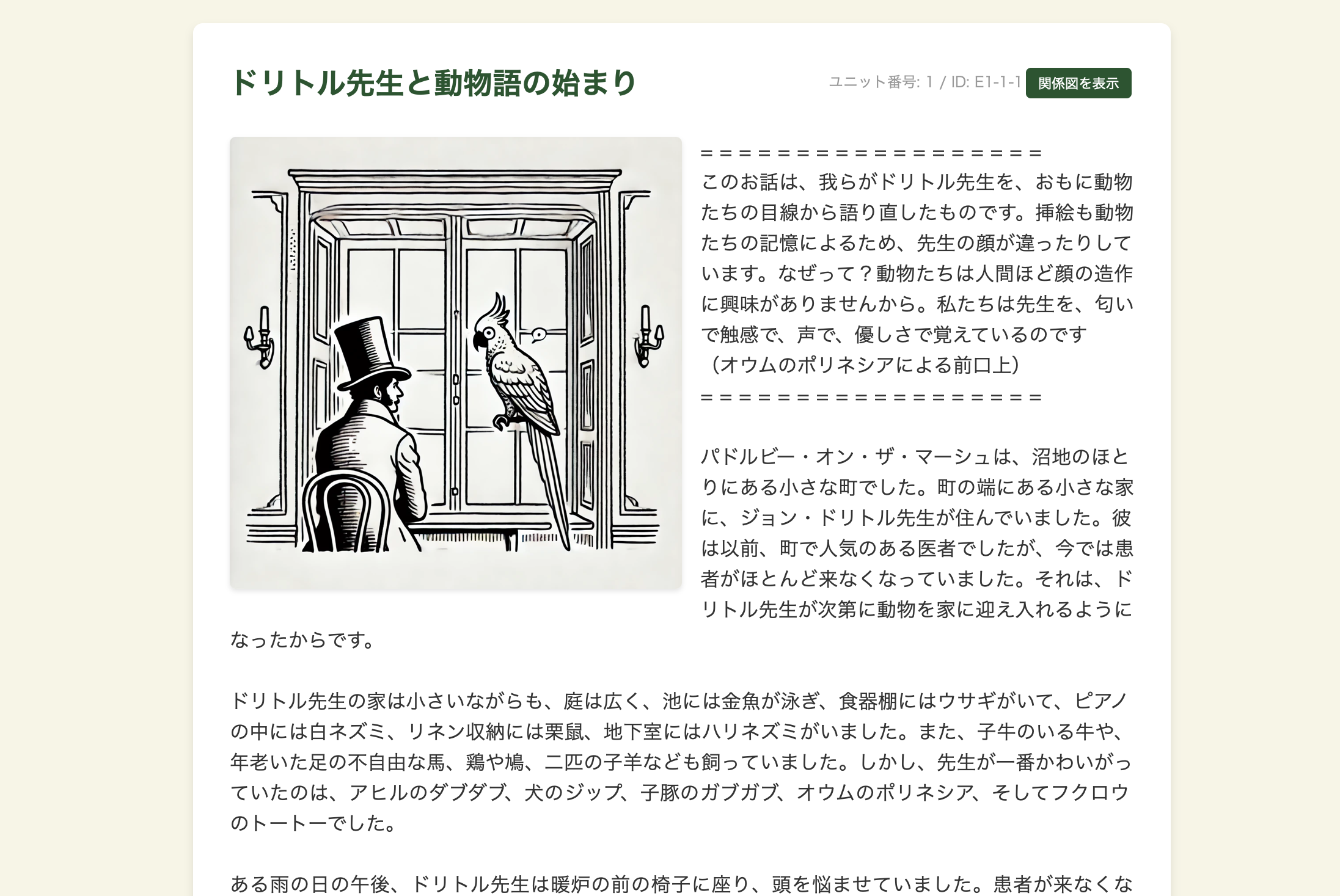
Gub-Gub: "So as a last resort, they had us say 'animals don't remember human faces anyway,' right?"
Polynesia: "That's right, Gub-Gub! Especially having me explain the differences in facial depictions. I think it was quite a clever solution, don't you?"
Web Application Development
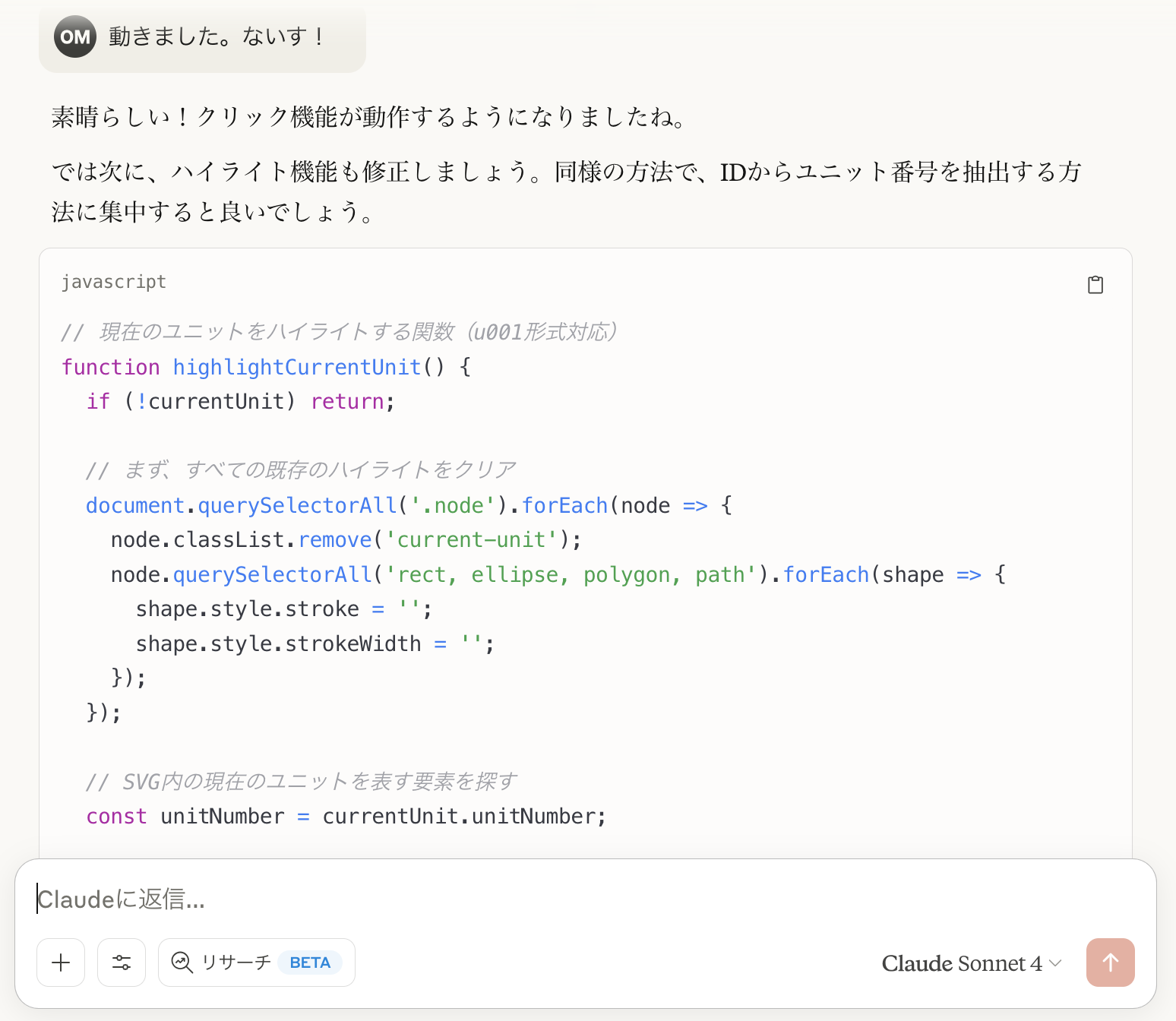
Development screen for the preview app
Dab-Dab: "Alongside the story, they were also creating a web app for preview reading."
Chee-Chee: "This was troublesome too. There was the problem of 'AI messing up parts that were working well when nearing completion.'"
Too-Too: "When complexity exceeds a certain level, AI tends to become unable to process it properly."
Polynesia: "That's right. So leaving everything to AI doesn't work, and the process became 'humans create the app's operating logic and commission parts to AI.'"
Dab-Dab: "In the first half of 2025, AI is good at 'simple structure with large amounts of work' but still often fails at 'complex apps pioneering new fields.'"
Automatic Illustration Insertion
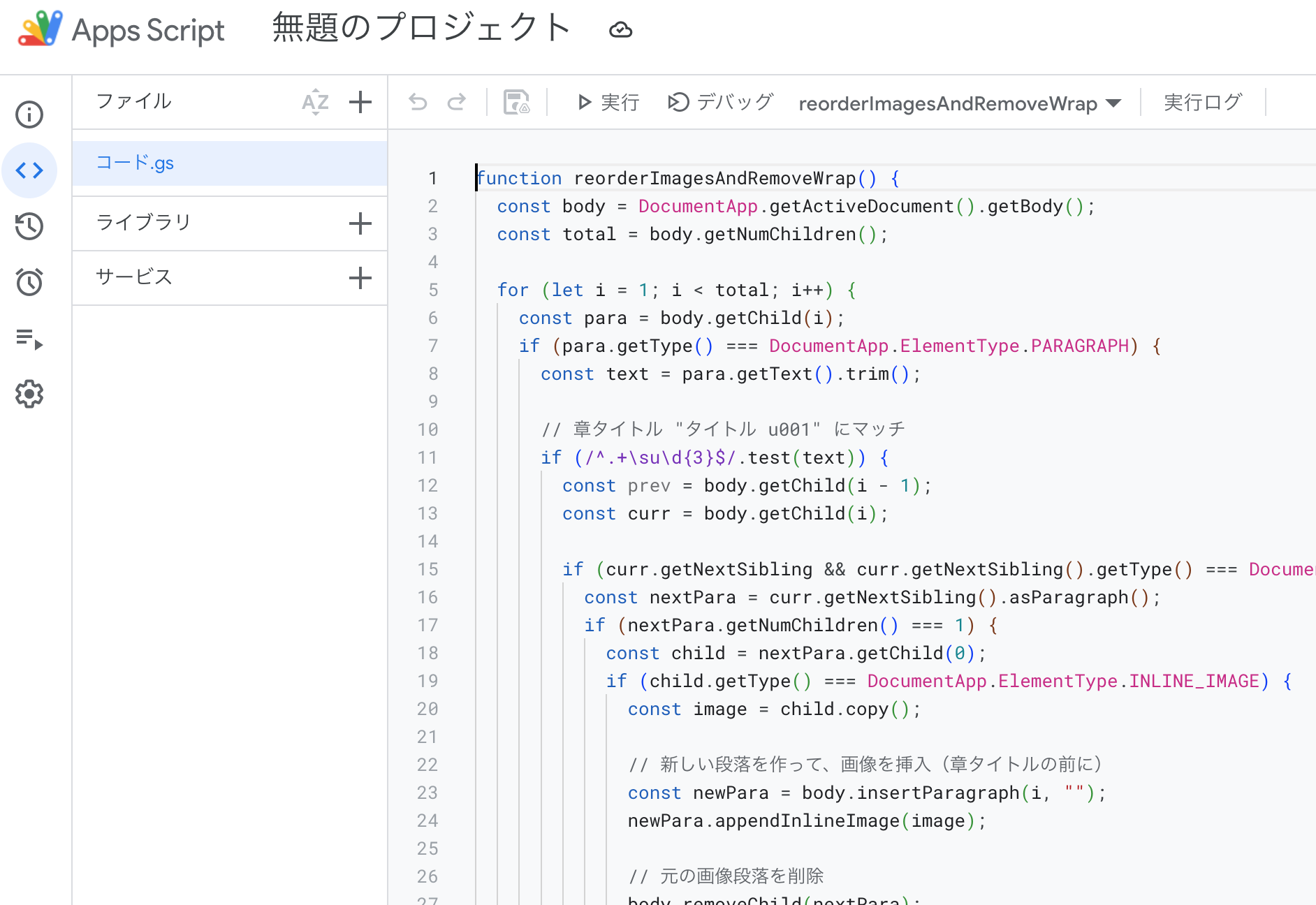
Complex document format conversion process
Polynesia: "Initially, they planned to create a Kindle e-book version too."
Chee-Chee: "So they put all the text including choices into Word, and created a program to automatically insert hyperlinks from choices to corresponding chapters and illustrations."
Too-Too: "It was a complex process where Mac VBA couldn't do it but Windows VBA could, Google Docs GAS was only good at this particular thing, and so on."
Dab-Dab: "In the end, they used Mac VBA, GAS, Python, JavaScript, and more."
Gub-Gub: "Sounds complicated, but they were doing amazing things."
Polynesia: "PDF and Word hyperlinks are invisible, so handling things like 'links disappear just by moving chapters but the change is invisible' was very difficult."
Dab-Dab: "They also set up illustrations to wrap text around them, but it didn't work in Kindle display and looked bad, which became one reason to abandon the e-book version."
Amazon Application
Tense moment during Amazon KDP application
Chee-Chee: "And finally came the time to apply to Amazon."
Polynesia: "Based on the English original with expired copyright, it should be fine, but they worried it might get rejected."
Too-Too: "But it passed after about two days of review."
Dab-Dab: "As a specific issue with our story, the original had racist expressions, so avoiding those in the narrative might have been important."
Gub-Gub: "They made considerations so everyone could read comfortably. That's good."
Reflecting on the Production
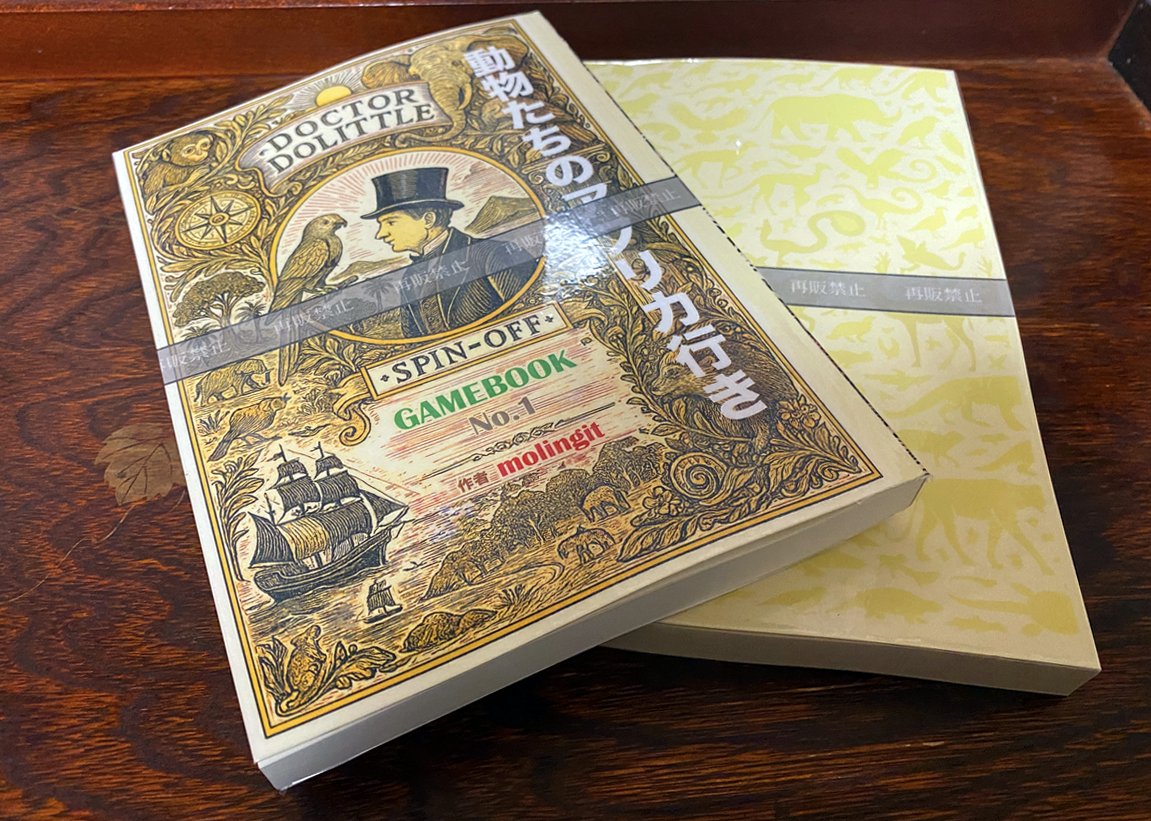
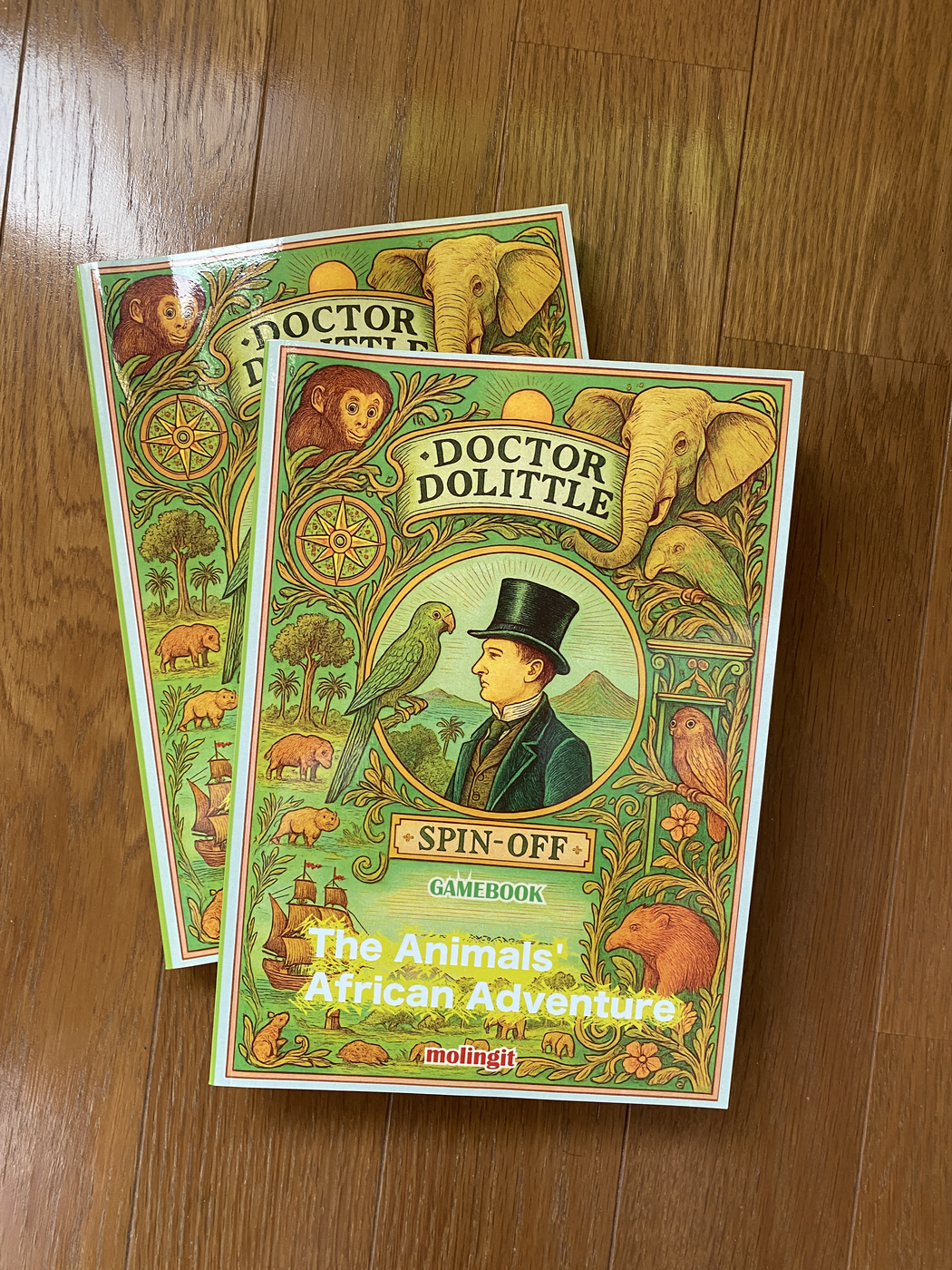
Production team with the completed work
Polynesia: "Since AI did all the story and illustrations, the creator was doing the work of an editor, SE, and producer."
Dab-Dab: "Paper book profits are really low apparently, but there's great satisfaction in having an actual 'thing' made."
Chee-Chee: "Now they're planning an English version, constantly checking what AI translated into English. English checking seems tough."
Too-Too: "And if this book sells well in both Japanese and English, they're considering making a side story for 'The Voyages of Doctor Dolittle' too."
Polynesia: "For the next work, they want to expand our daily life and animal-to-animal conversations more. Though that's a future that can't be seen unless the first work sells."
Gub-Gub: "We could read more of our everyday conversations? That sounds fun!"
Dab-Dab: "Through this book, there were great discoveries in both the desire to re-enter the story world one was passionate about as a child, and the process of trying to create something with AI, this 'unknown tool.'"
Chee-Chee: "This book was made hoping that some small discovery would occur in readers' hearts too."
Too-Too: "It's also an experimental work testing how far one could 'play' using the world of the classic 'Doctor Dolittle' in 2025, when AI began rapidly spreading."
Polynesia: "That's right. The creator said they don't even know if the finished product is 'interesting.' But the process itself had value."